
13-week cash flow forecast: build it, read it, avoid mistakes
A 13-week cash flow forecast shows which week cash runs short, early enough to act. How to choose sources, tag certainty, build scenarios and read the result.
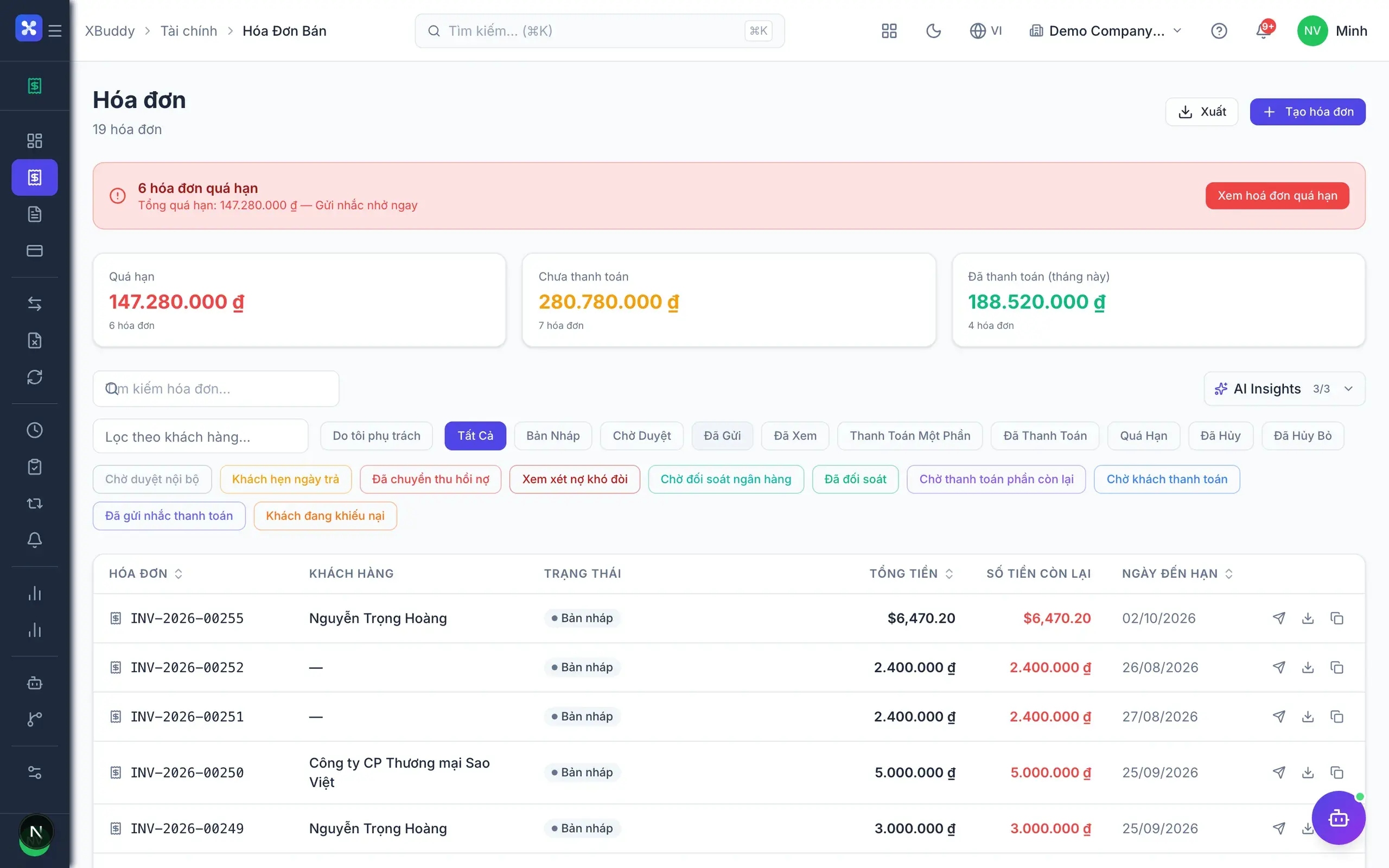
A cash flow statement tells you where cash went. A cash flow forecast tells you where it will go — and, more importantly, which week it will run short. The 13-week cash flow forecast is a popular format because 13 weeks is long enough to see a full quarter and short enough that each line still rests on real documents: invoices, orders, payroll. This article covers how to build one, how to read it, and the mistakes that make a forecast look tidy but useless.
Why 13 weeks, and why weekly
A monthly forecast hides the weeks when cash is lowest. A month can look positive in total while, in week two — when payroll and a large supplier payment land together — the account dips below a safe level. Companies don't fail on their month-end balance; they struggle on a specific day when there isn't enough cash to pay.
A 13-week horizon lets you:
- See the low point early enough to act: pull in receipts, defer payments, line up a credit facility.
- Update weekly at low cost: the oldest week drops off, a new week is added.
- Compare forecast with actuals each week to learn where your forecast is wrong.
Forecast sources: every line needs an address
A trustworthy forecast is a list of lines, each traceable to a source document. The main source groups:
| Source | Inflow / outflow | Notes |
|---|---|---|
| Opening cash balance | — | From the general ledger, reconciled to the bank statement |
| Open sales invoices | Inflow | By due date, adjusted for each customer's payment habits |
| Open supplier bills | Outflow | By due date and the approved payment schedule |
| Sales orders not yet invoiced | Inflow | Only the uninvoiced portion, net of deposits received |
| Purchase orders not yet billed | Outflow | Only the portion without a bill |
| Payroll, social insurance, taxes | Outflow | On their fixed schedule |
| Sales opportunities | Inflow | Only high-probability deals, multiplied by probability |
| Manual entries | Either | Loans, capital injections, major asset purchases — always with a reason |
The most common mistake at this stage is double counting: including both a sales order and the invoice already raised from it. The rule is simple: orders contribute only the portion not yet invoiced.
Tag each line with a certainty level
Not every line is equally certain. An issued invoice is firmer than an undelivered order, and an order is firmer than a sales opportunity. Split lines into tiers:
- Committed: open invoices and bills, approved payroll, approved payments.
- Contracted: uninvoiced portions of sales and purchase orders; recurring contracts.
- Probable: late-stage sales opportunities, manual lines with a probability.
- Estimated: taxes and insurance derived from existing figures, items extrapolated from history.
When you read the result, ask: how much of the low point depends on "probable" and "estimated" lines? If a week is only positive thanks to an unsigned deal, that week is effectively negative.
Overdue receivables must not vanish from the forecast
An invoice 20 days overdue is still cash you expect to collect. Many spreadsheets filter inflows by "due date within the next 13 weeks", and overdue invoices silently drop out. The forecast becomes more pessimistic than reality here — but, worse, the person preparing it no longer sees the money that needs chasing.
A sensible treatment:
- Roll overdue amounts into the first period, flagged as overdue.
- Haircut them by age: the older the balance, the lower the expected collection.
- Link them to collection work: every large overdue balance in the forecast should have an owner and a promised payment date. See Accounts receivable management for SMEs.
Scenarios: base, cautious, optimistic
A single number per week creates false precision. Three scenarios show the range:
- Base: customers pay according to their average payment behaviour.
- Cautious: customers pay later and some receipts slip to later weeks.
- Optimistic: customers pay faster and deals close early.
Good scenarios are built on each customer's actual behaviour (how many days late they usually pay) rather than a flat percentage cut. If a customer doesn't have enough payment history, say so instead of guessing.
Illustrative example: a 13-week table
Hypothetical figures, in VND million. A services company starts with 1,200 in cash and sets a minimum cash buffer of 300. Payroll falls in weeks 2, 6 and 10.
| Week | Inflow | Outflow | Closing balance |
|---|---|---|---|
| 1 | 450 | 380 | 1,270 |
| 2 | 300 | 620 | 950 |
| 3 | 280 | 310 | 920 |
| 4 | 350 | 290 | 980 |
| 5 | 320 | 350 | 950 |
| 6 | 260 | 640 | 570 |
| 7 | 300 | 330 | 540 |
| 8 | 410 | 300 | 650 |
| 9 | 290 | 310 | 630 |
| 10 | 270 | 660 | 240 |
| 11 | 330 | 290 | 280 |
| 12 | 380 | 320 | 340 |
| 13 | 300 | 350 | 290 |
Week 1 includes 120 million of overdue invoices rolled into the first period. Reading the table:
- The base scenario drops below the minimum in weeks 10 and 11, with a low point of 240 million.
- Cautious scenario: assume 30% of receipts in weeks 8, 9 and 10 slip by two weeks. The week 10 balance then falls to about 72 million.
- Actions available from week 1: push collection of three large invoices due in weeks 8–9, negotiate moving a supplier payment from week 10 to week 12, and arrange a short-term credit line as a fallback.
The value of the forecast is not the figure of 240 million; it is knowing it nine weeks in advance.
Common mistakes
- Taking the opening balance from the bank statement instead of the ledger, and never reconciling the two. A gap between them signals unrecorded transactions.
- Double counting orders and invoices.
- Dropping overdue receivables from the forecast.
- Inconsistent currency conversion: documents in the company's own currency must carry an exchange rate of 1; a single mistyped rate can inflate a line a thousand-fold.
- Not saving previous forecasts, so you never learn how far off you were, or in which category.
- Letting AI set the numbers. AI is useful for explaining why a week dips, but the figures must be computed by the system from documents.
Cash flow forecasting in XBuddy
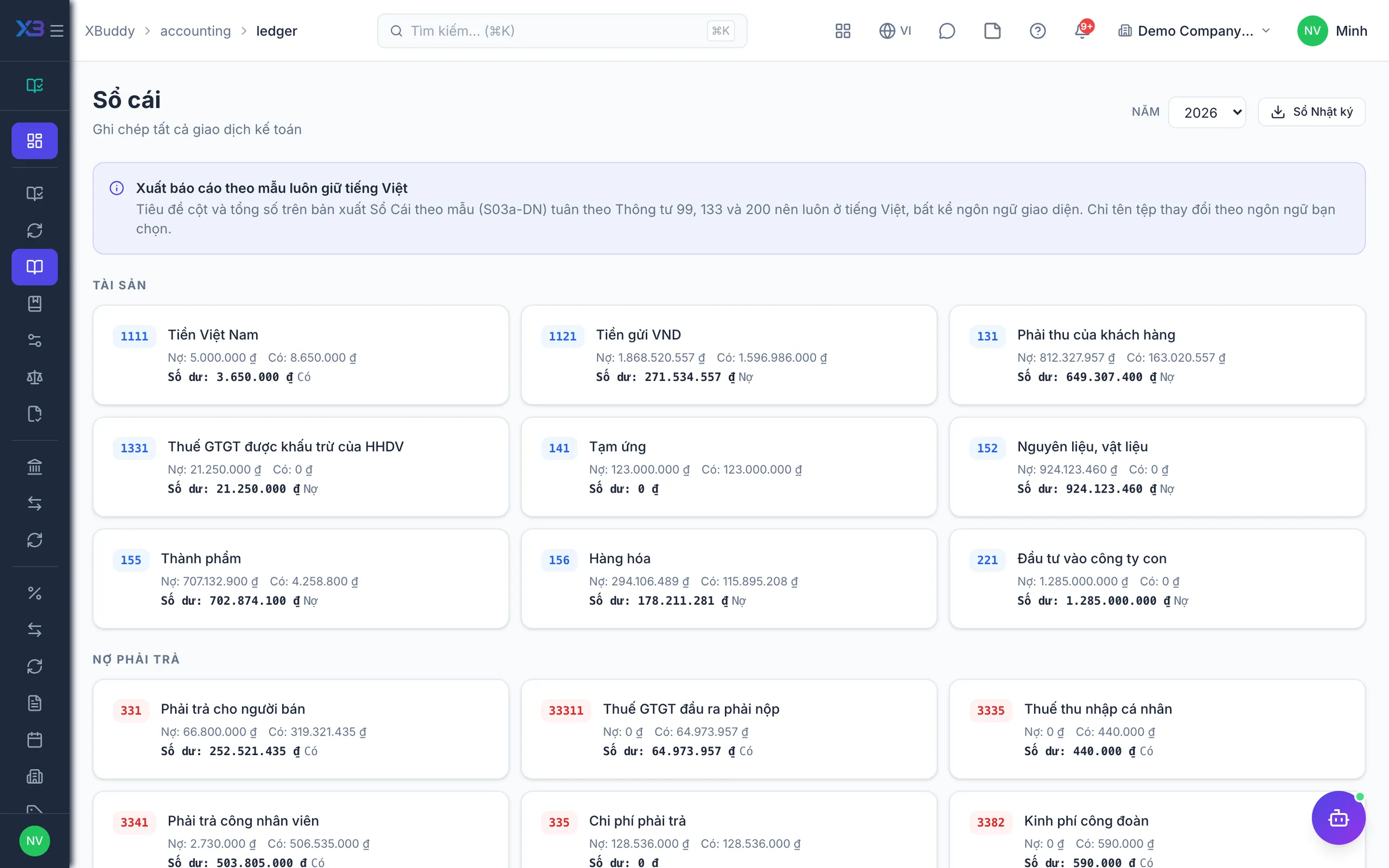
In XBuddy, the cash flow forecast screen shows 13 weeks or monthly views from a single engine: the opening balance comes from the general ledger, plus receivables, payables, and the uninvoiced portions of sales and purchase orders. Every figure traces back to a source line with a certainty level, and overdue amounts roll into the first period with a flag. Users can add manual lines, override assumptions and save snapshots to compare accuracy later. This sits within the CFO solution, using data from the Finance app; owners of smaller businesses can see how cash fits with other indicators in the SME CEO solution.
Frequently asked questions
How is a 13-week cash flow forecast different from a cash flow statement?
The cash flow statement summarises cash movements that have already happened in a period, for financial reporting. A 13-week forecast looks ahead week by week, so you can spot a cash shortfall early and act on it.
How often should the forecast be updated?
Weekly is the usual rhythm: drop the week just passed, add a new week at the end, and update lines with new documents. Save the previous version each time so you can compare it with actuals.
Should sales opportunities be included?
Yes, but only high-probability deals, multiplied by their probability. Keep them in a separate "probable" tier so readers can see which weeks depend on unsigned revenue.
How should overdue invoices be handled in the forecast?
Don't remove them. Roll them into the first period, flag them clearly and haircut them by age. Every large overdue balance should have someone responsible for collecting it and a promised payment date.
Can AI build the cash flow forecast instead of the finance team?
AI should not set forecast figures. The numbers must be computed by the system from documents and the ledger; AI is suited to explaining movements, highlighting risky weeks and suggesting questions for the preparer.